.jpg)
Ryder Fine.
I build things that work, and think about why they should. I use additive manufacturing on integrated systems to engineer for real-world impact.
Selected Work

Current Work

Rover Wheel Testing Platform
Two half-ton chain hoists that suspend the RoSE Lab wheel testing platform from the ceiling.
Multi-Use Drone System
One drone platform that takes safety, agriculture, or environmental payloads.
Topology Optimization Study
Cutting mass out of a carbon-fiber-reinforced vinyl bottle cap opener.
About
Ryder Fine works in the gap between engineering analysis and human-centered design. He builds early and rough, leaning on prototypes, stakeholder tests, and concept sketches to surface the real constraints before committing to hardware. His projects range from lunar rover wheel testing in a research lab to biomechanical analysis of potters to redesign pottery wheels, and the throughline is always the same: understand the system, build the minimum thing that tests the assumption, and iterate with rigor.
What's the right problem?
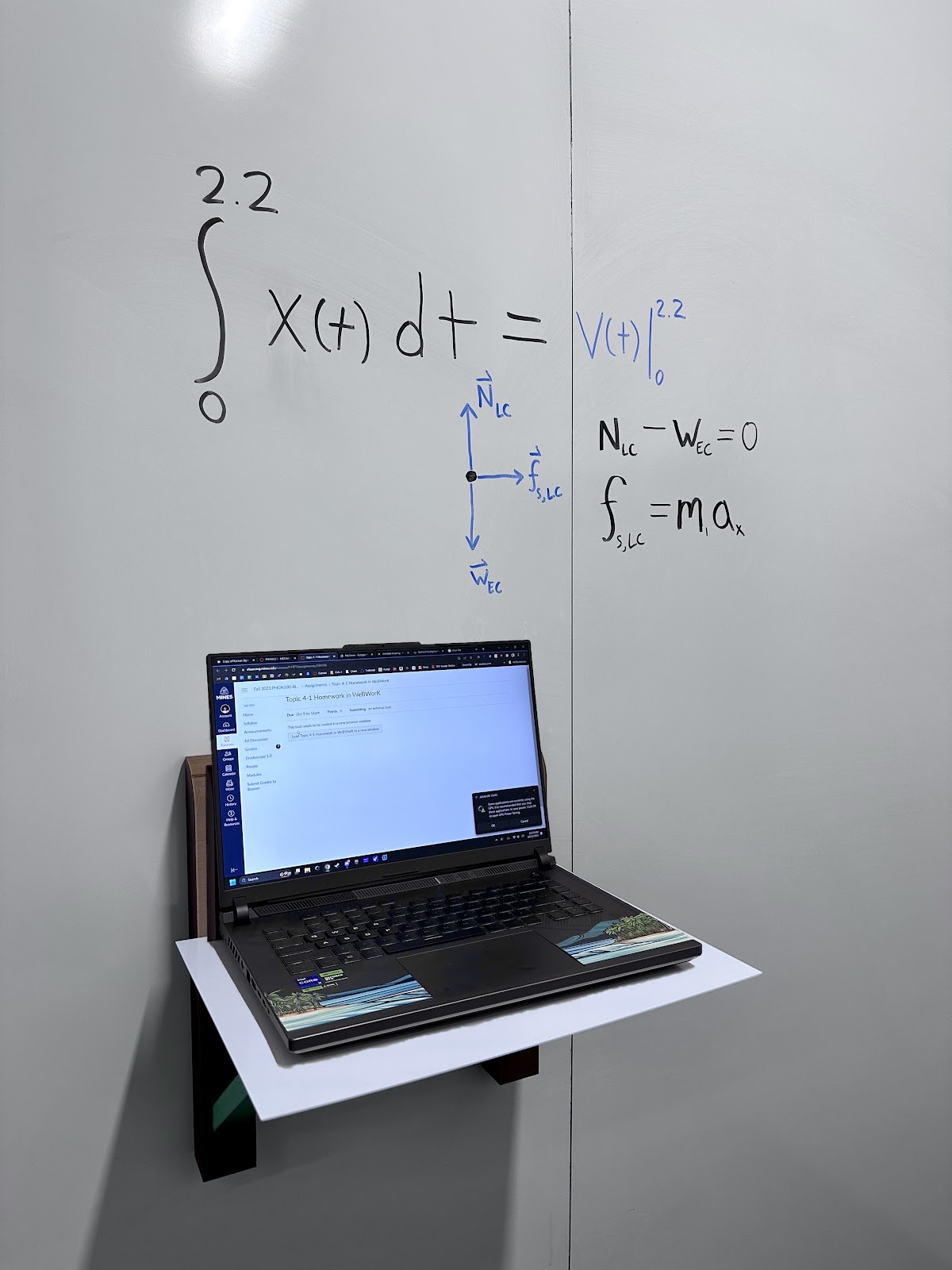
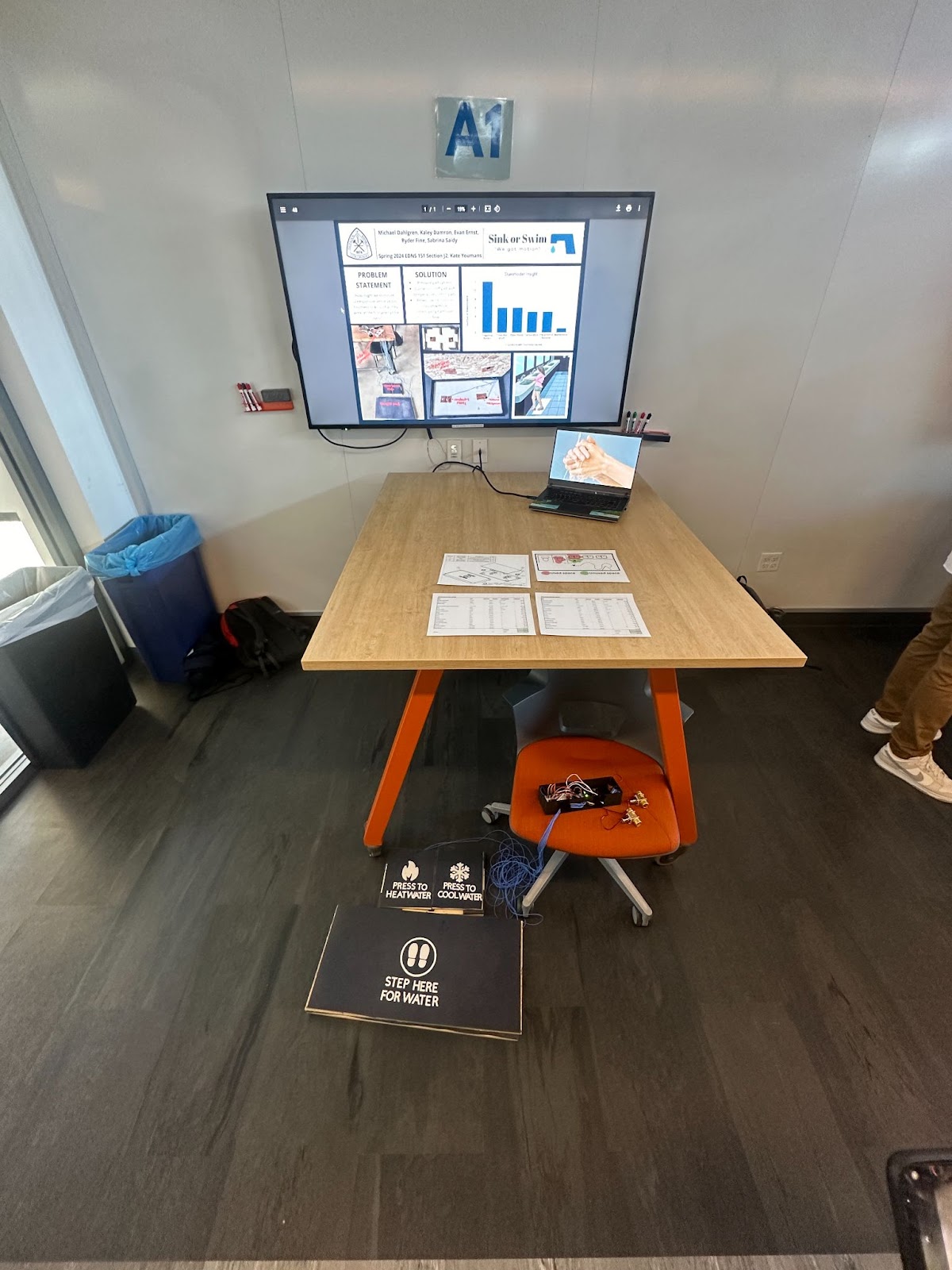
The pottery wheel redesign started with stakeholder interviews and needs finding, then early prototypes, before any CAD was opened. Working that way surfaces the real constraints early, so the design solves the right problem instead of a clean version of the wrong one.
Does it actually work?
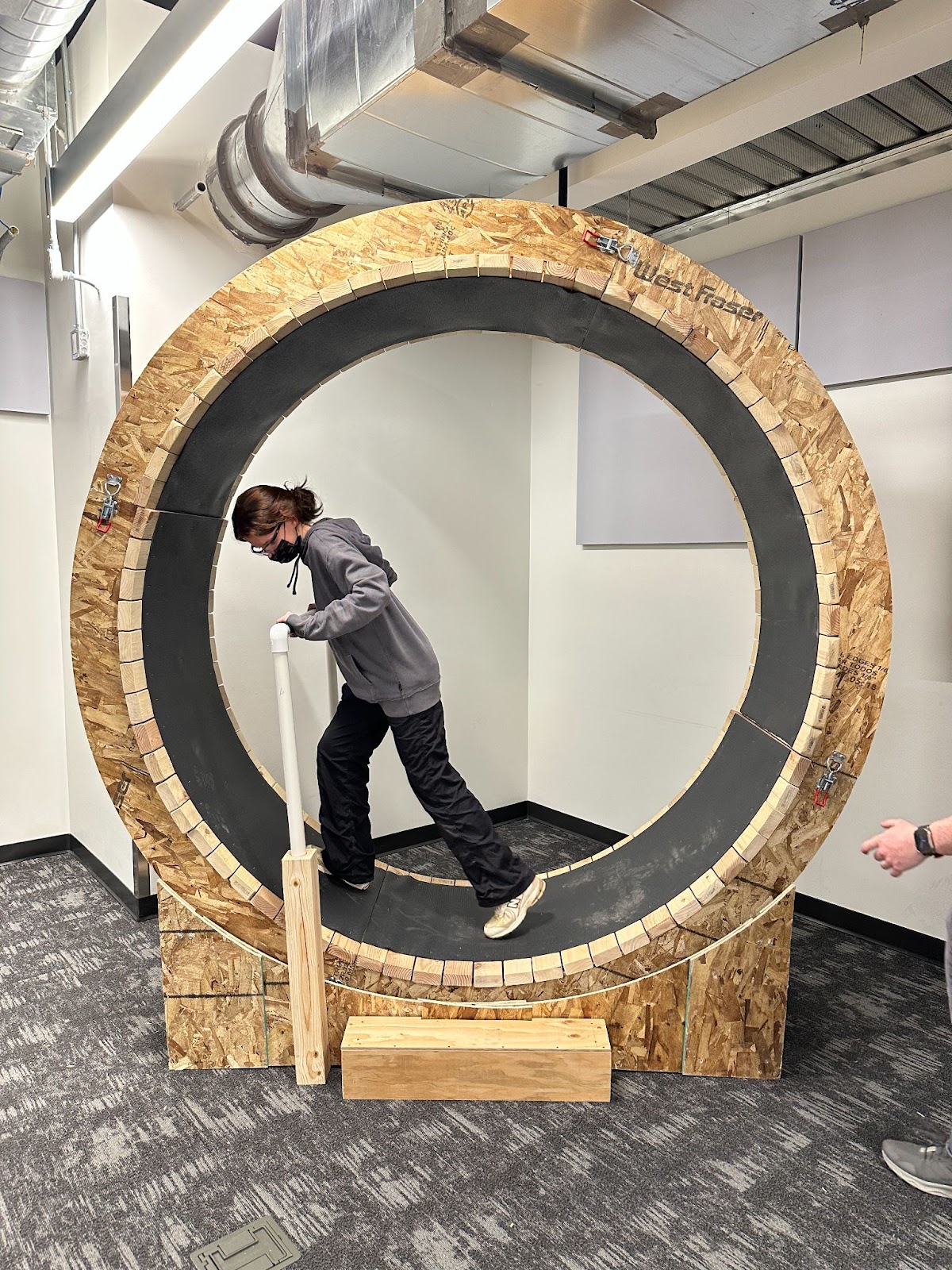
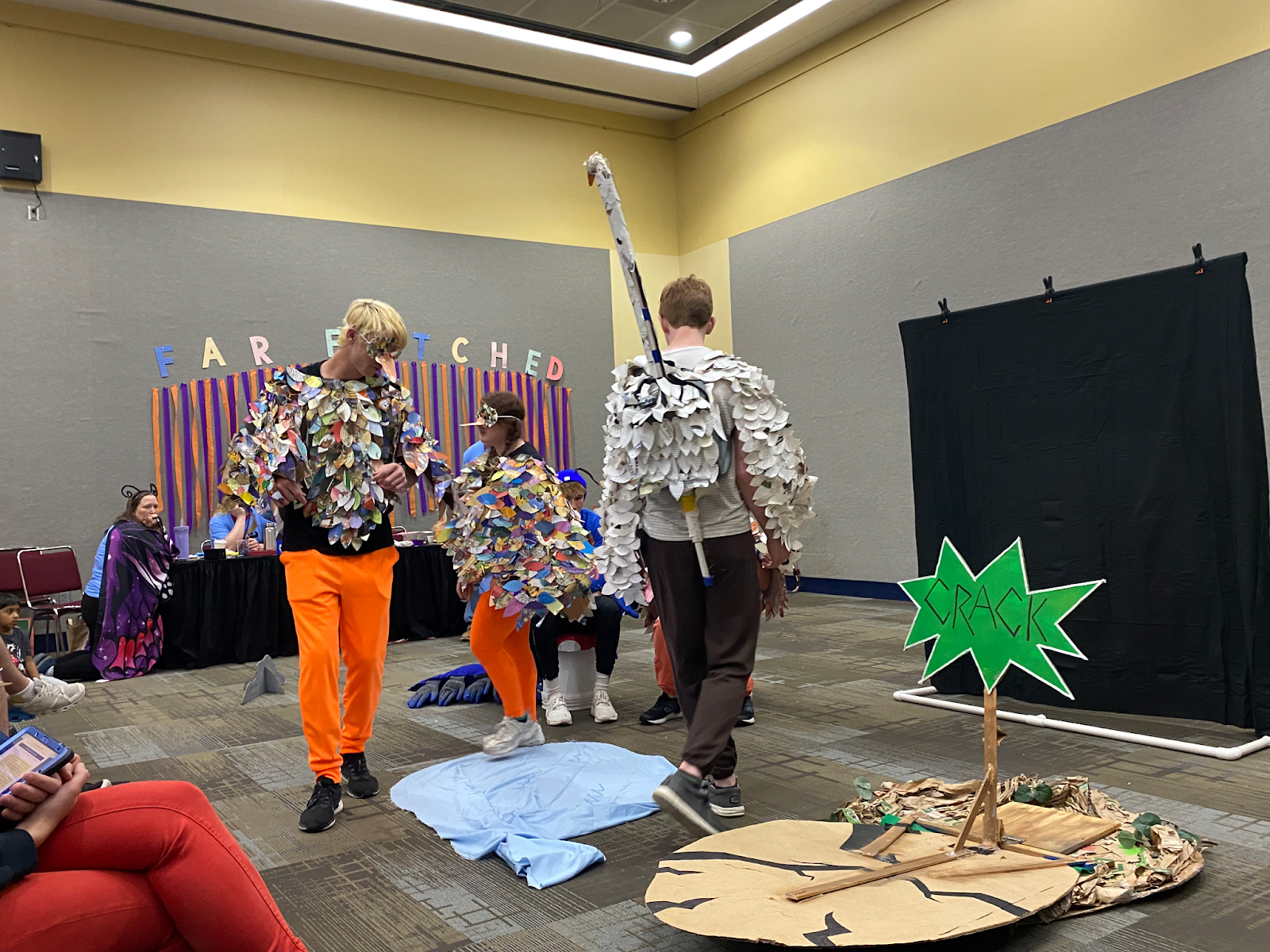
A 600 lb hamster wheel has to assemble in 13 minutes by two people. A swan neck mechanism has to fire reliably in the middle of a live performance. Building means figuring out what the design actually demands from materials, tolerances, and your own hands. Iteration closes that gap. Optimism doesn't.
How does it fit the whole?
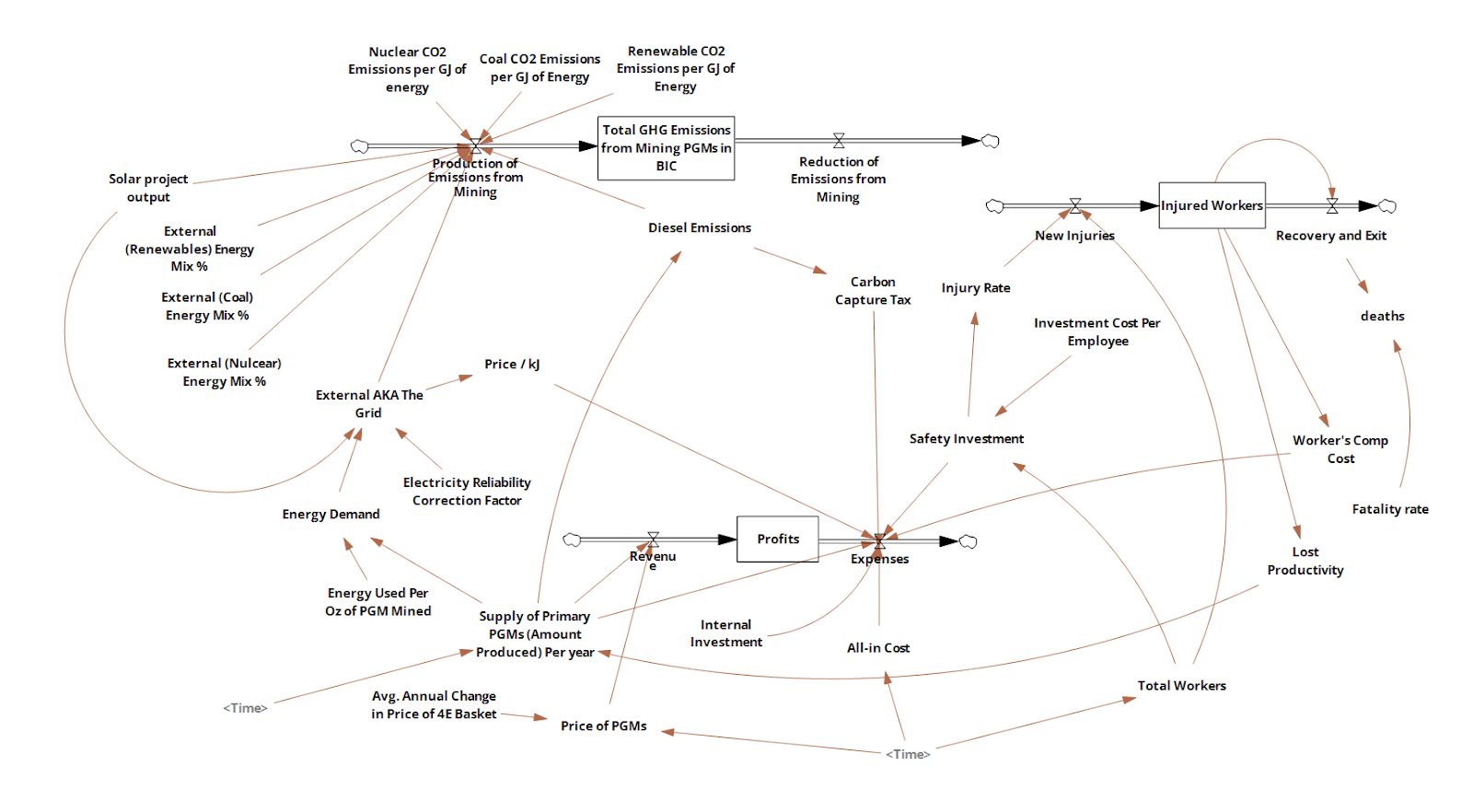
The platinum mining model pulled from 40+ sources because CO₂ reductions and worker safety aren't separate levers. They're the same system. That's the work: tracking how a component decision, a policy variable, or a structural tradeoff propagates through everything else it touches.
Experience
Researched, selected, and set up $40,000 of engineering equipment (CNC, additive manufacturing, machining) for a new 37,000 sq ft innovation hub. Built the student training system, standard operating procedures, and website supporting 5,000 students.
Designed and delivered 100+ custom replacement parts through an online storefront — CAD, additive manufacturing, and quality testing. Maintained and upgraded the printer fleet, cutting costs through in-house repair.
Collaborated in international engineering teams on projects spanning Formula 1, pump construction, and water infrastructure.
McBride Honors Program · Club Water Polo · Oredigger Leadership Community
Touch.
Open to internships, project collaborations, and good questions.